External Marketing Department Guide 23

How to Plan an Executive Client Event.

Executive dinners and client events can be powerful in B2B because they create focused time with senior customers, prospects and partners. They can also become expensive social functions with no commercial value if the guest strategy and follow-up are weak.

A strong executive event is designed around purpose, audience, experience, content and next action.

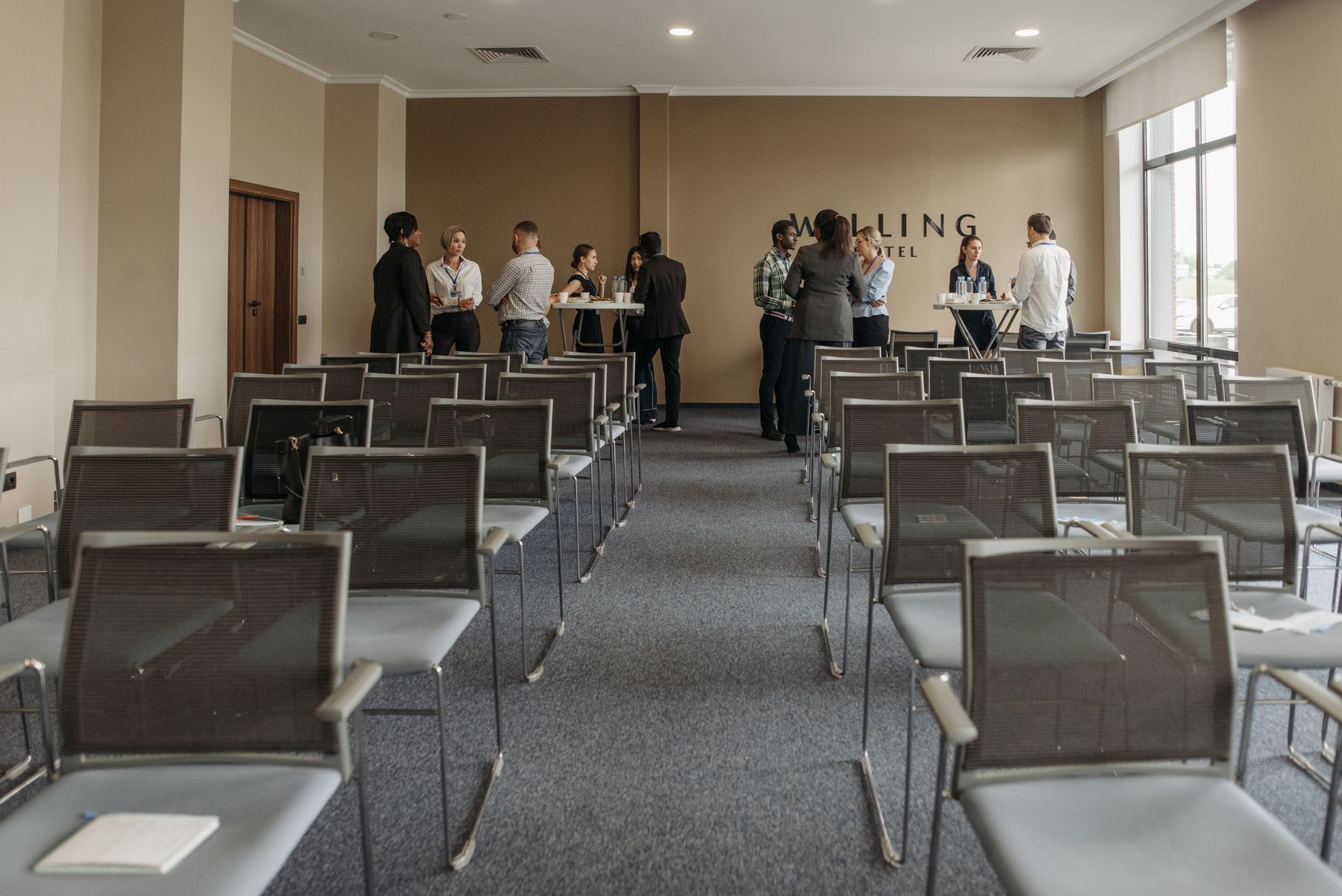
Business professionals networking in a corporate conference room
23
PurposeGuestsExperienceHostingFollow-up
Executive-event foundation

Curate the room before you design the evening.

Purpose, guests, venue and programme determine whether the event creates relationship value.

01

Decide why the event exists

Possible objectives include strengthening key accounts, introducing executives to a partner, creating access to strategic prospects, launching a capability or building a community around a topic.

Choose one primary objective. If the purpose is vague, the guest list and programme become vague as well.

02

Build the guest list deliberately

An invite-only event works because the room is curated. Define the types of guests and accounts that matter, then allocate invitations intentionally.

Keep a controlled RSVP list and make the invitation wording clear that attendance is by invitation. This can be communicated politely without making the event feel unfriendly.

For senior events, quality matters more than headcount.

03

Choose a venue that supports conversation

The venue should match the tone and practical needs of the event. Consider privacy, noise, seating, access, parking, dietary requirements, AV, weather contingencies and whether guests can actually have conversations.

A visually impressive venue can help, but it should not make networking difficult.

04

Keep the programme short

Senior guests usually value useful content and relationship time more than a long programme.

For a dinner, three short ten-minute speeches can be more effective than an hour of presentations. Give speakers clear briefs: what the audience should understand, the maximum time and the desired transition into networking.

Avoid turning a relationship event into a conference.

01

Design the experience around the guests

Map the guest journey: invitation, RSVP, reminder, arrival, welcome, seating or networking, programme, hospitality, departure and follow-up.

Small details matter. Guests should know where to go, who is hosting them and what to expect. Registration should not feel bureaucratic. Branding should be present but not overwhelming.

02

Use branding carefully

Executive events benefit from restraint. A few strong visual touchpoints are often more premium than covering every surface in logos.

Use invitation design, menus, screens, signage, name cards or selected environmental branding to create consistency. The venue and experience should remain the hero.

03

Coordinate sales hosting

Decide which internal person is responsible for which guest or account. Sales and executives should know the priority relationships before the event starts.

This avoids the situation where the company invites important people but nobody takes ownership of the conversation.

Business-casual colleagues exchanging ideas during a corporate lunch
04

Capture content respectfully

Photography and video can extend the value of the event, but senior guests may have privacy preferences. Set expectations, obtain appropriate consent and avoid making the event feel like a production set.

Capture enough high-quality material to support future communication without disrupting the experience.

05

Plan follow-up before the event

Decide how attendees will be thanked, which content will be sent, who follows up with priority guests and how actions will be recorded.

For important relationships, the most valuable outcome may be a meeting scheduled after the dinner. That follow-up should have an owner before the event happens.

06

Measure success against the purpose

For a relationship event, success may include attendance from priority accounts, senior engagement, partner alignment, meetings created and follow-up actions completed.

Avoid using generic event measures when the objective is relationship depth.

07

A sample executive-dinner flow

A practical programme might begin with arrival drinks and informal introductions, followed by a short welcome from the host, two ten-minute client or company perspectives, a ten-minute partner contribution and then the majority of the evening reserved for food and conversation. The exact format can vary, but the principle is to keep formal content concise.

If there are multiple speakers, brief them together so they do not repeat the same company introduction. Give each person one distinct purpose: context, customer problem, partner perspective or future opportunity.

08

Managing an invite-only event gracefully

Use named invitations and a simple RSVP process. The invitation can state that the event is limited and reserved for confirmed guests. If an invitee asks to bring someone, the host can assess the request rather than leaving the rule ambiguous.

At the venue, use a discreet guest list rather than making security feel confrontational. The objective is control without making guests feel unwelcome.

09

Hosting strategic accounts

Before the event, assign important guests to specific executives or salespeople. Share short account notes so the host knows the relationship, current opportunity and people attending.

This prevents the common problem where the company invites a valuable prospect but assumes “someone” will speak to them. Relationship events need deliberate hosting just as much as sales meetings do.

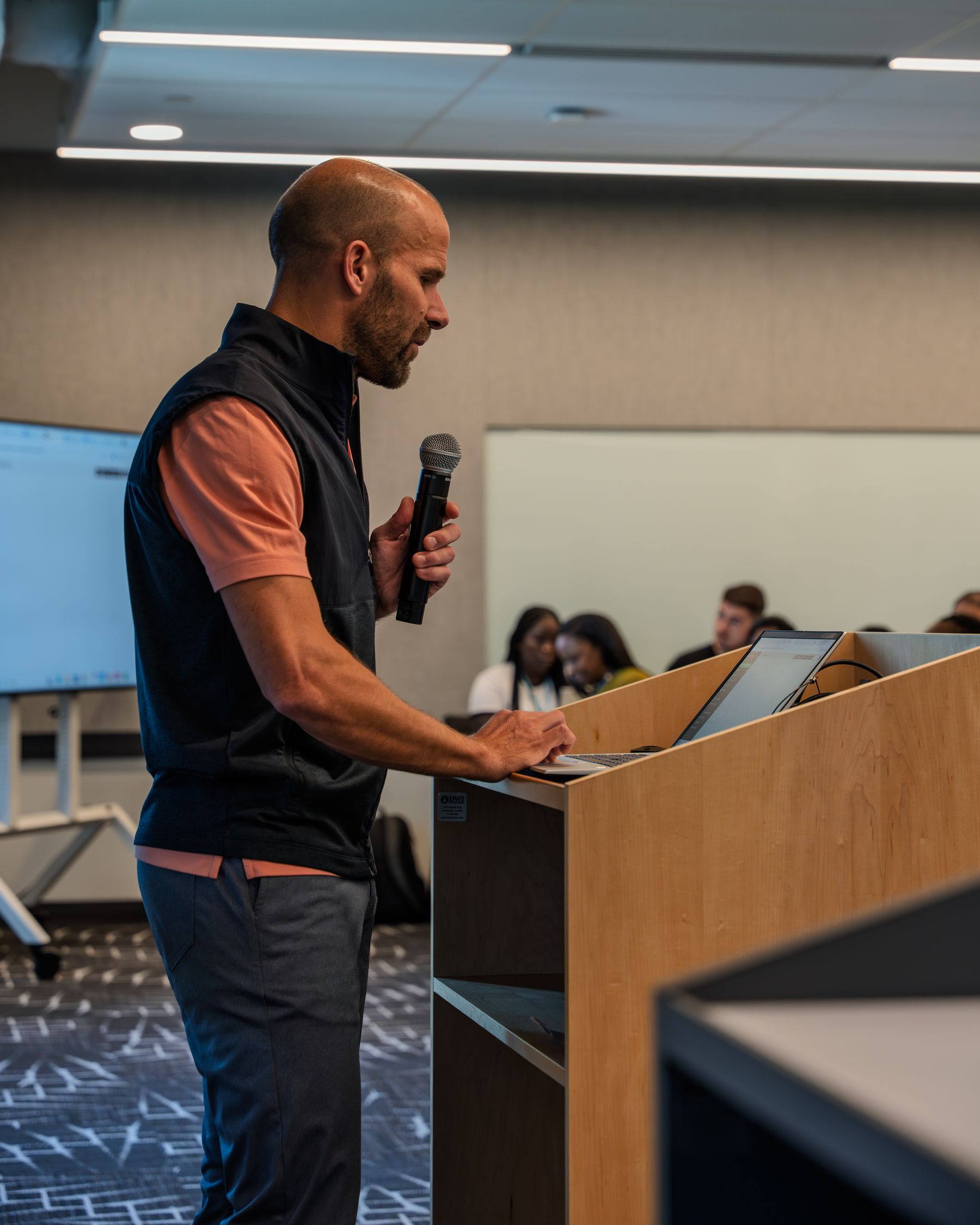
Professional presenter speaking to a business audience in a conference room
10

Following up without turning the event into a pitch

Send a short thank-you within one or two days. For priority accounts, reference the conversation and agree the next step. Share any promised material. Record follow-up in the CRM.

The follow-up should feel like continuation of the relationship, not a mass sales blast sent to everyone who attended.

11

Designing the invitation

The invitation should communicate the host, purpose, date, venue, time, dress expectations if relevant and the fact that attendance is limited. Keep the copy concise enough that the event feels premium rather than administrative.

Use imagery of the actual venue where possible, particularly when the location is part of the experience. Ensure partner logos are balanced and approved. Provide one clear RSVP route and a deadline.

12

Food, drinks and hospitality controls

Agree the hospitality format and budget in advance. Canapes may support networking better than a formal plated dinner; another event may benefit from assigned seating. Set bar limits or agreed packages so spend is controlled without creating an awkward guest experience.

Capture dietary requirements during RSVP and confirm them with the venue before the event.

13

Partner involvement

If a partner is co-hosting, agree the guest allocation, branding, speaker role, costs, data sharing and follow-up responsibilities before invitations are issued. Ambiguity can create tension after the event, especially around leads and account ownership.

A simple co-hosting brief keeps the relationship professional and makes the event feel like one experience rather than two brands competing for attention.

14

Privacy and guest data

RSVP information should be collected and handled according to the company’s privacy practices. Do not automatically add every guest to broad marketing communication without an appropriate basis. Share guest data with co-hosts only according to the agreed arrangement and applicable privacy requirements.

For photography, make expectations clear and provide a route for guests who prefer not to be photographed.

15

Event run sheet

Create a minute-by-minute run sheet for the host team and suppliers: setup, guest arrival, welcome, speeches, food service, photography windows, transport arrangements and closing time. Include contact numbers and contingency decisions.

The guest should never see the operational complexity. A good run sheet lets the internal team solve problems quietly while executives remain focused on customers.

16

Seating as a relationship tool

For seated dinners, placement can support the objective. Mix hosts, customers, prospects and partners deliberately rather than allowing only existing friendship groups to form. Avoid making the arrangement feel engineered, but use seating to create useful new conversations.

17

Supplier coordination

One person should coordinate venue, AV, décor, photography, transport and hospitality suppliers. Share a single run sheet and final guest count so suppliers do not work from different versions. Where the event sits alongside an expo, align transport and timing with the exhibition schedule to avoid pulling key executives away from priority meetings.

18

Debrief while the event is fresh

Within forty-eight hours, ask hosts which guests they engaged, what was discussed, what follow-up was promised and which aspects of the evening worked or failed. Capture supplier and venue lessons at the same time. The information becomes much less reliable once the team returns to normal work and memories blur.

19

Closing the loop

At the next account or sales review, confirm that event follow-up actions actually happened. Relationship events create little value if good conversations remain as informal memories rather than named next steps.

FAQs

Frequently asked questions.

How many people should we invite?

Enough to create useful interaction without losing the intimacy of the format. The right size depends on venue, objective and seniority; a smaller curated room can be more valuable than a large guest list.

How long should speeches be?

Keep them concise. Ten minutes per speaker is often enough for an executive dinner unless the event has a stronger content or conference purpose.

How do we prevent invitees bringing uninvited guests?

Use named invitations, controlled RSVPs and polite wording such as “This is a limited, invitation-only event and attendance is reserved for confirmed guests.”

Should we include sales pitches?

Avoid hard selling. Use the programme to add value, establish relevance and create context for later commercial conversations.

Event principle

The decision rule to remember.

An executive event should leave the guest feeling valued, not processed. If the company has chosen the right people, created a useful experience and follows up well, the commercial benefit often comes from relationships strengthened after the event rather than activity during the evening itself.

Talk to Reburn →
Talk to Reburn

Ready to make this part of a stronger marketing function?

If How to Plan an Executive Client Event . is a priority for your business, we can help you turn it into a practical, managed part of the wider marketing system.

Talk to Reburn →