Positioning & Message
What the business stands for, who it serves, how services are named and which proof matters.

Build a brand system that stays recognisable, credible and usable across every customer-facing touchpoint.

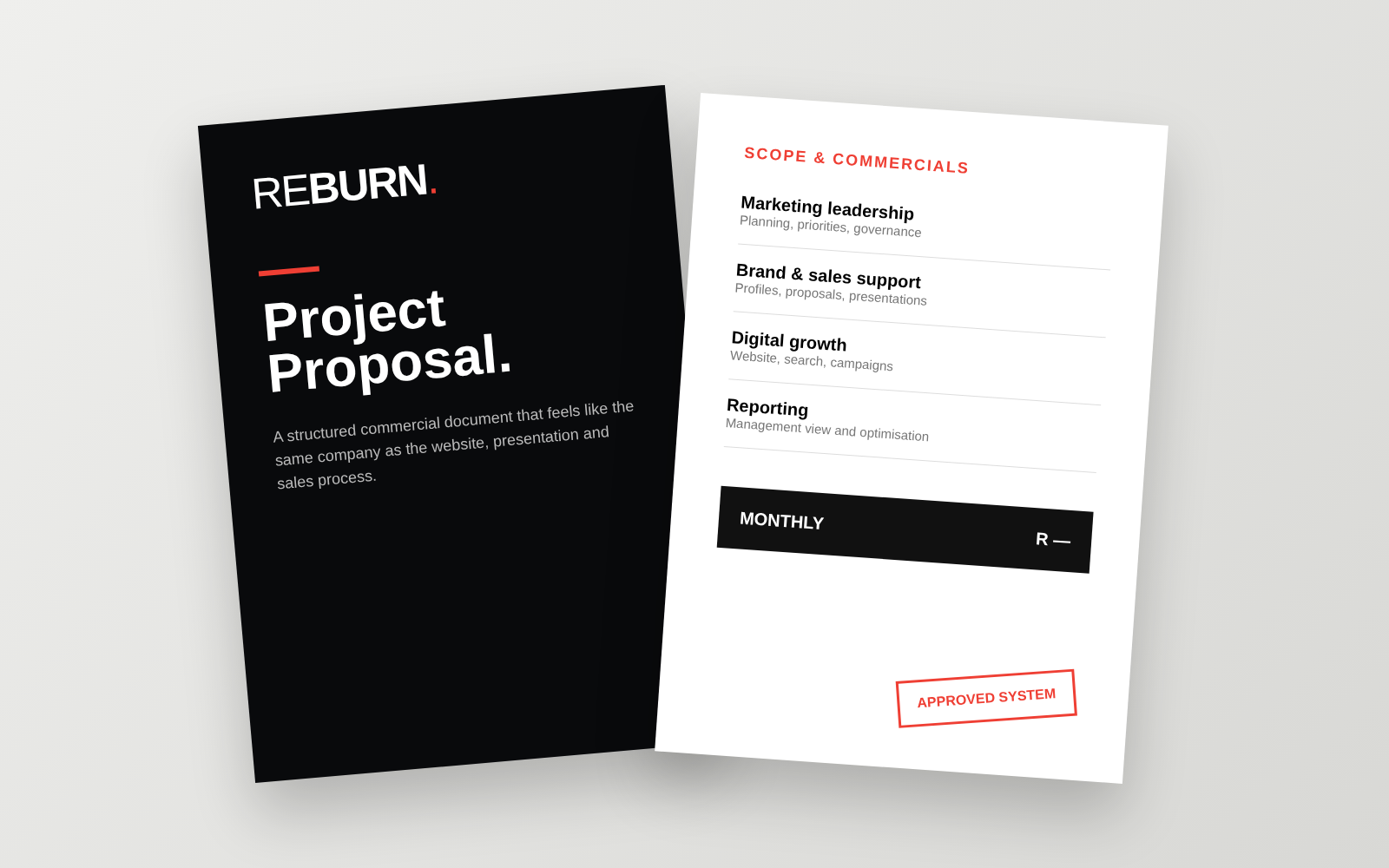

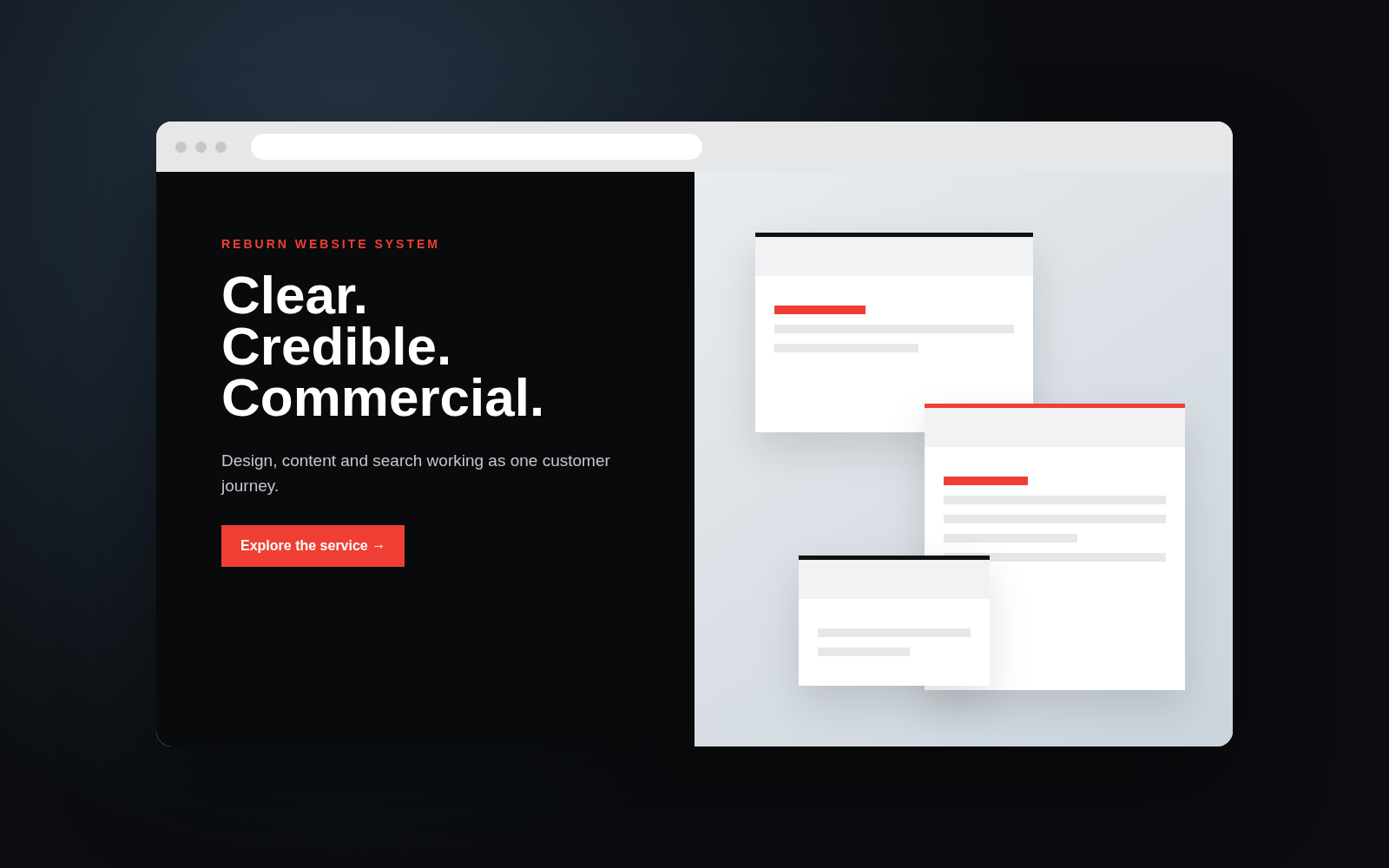
This page focuses on hands-on brand development and creative production: visual identity, design systems and the materials the business needs to communicate consistently. If your priority is brand architecture, governance and implementation across an established organisation, use the Corporate Branding capability instead.
Corporate branding is the system that makes a business recognisable and credible across proposals, presentations, reports, websites, signage, events, social content and everyday communication.
For established B2B businesses, the common problem is rarely the absence of a logo. It is inconsistent application, outdated material and a visual identity that has not kept pace with the company.

Before changing colours or typography, the business needs to decide what the brand must communicate and which existing elements still carry useful recognition.
An established technical company may need to look more enterprise-ready. A business moving into the public sector may need stronger document discipline and credibility. A group with several divisions may need a clearer brand architecture so customers understand which entity they are dealing with.
That is why Reburn treats branding as a business system rather than a logo exercise. Positioning, service naming, proof, visual identity and practical applications need to reinforce one another.
A refresh should preserve useful brand equity where it exists. A full rebrand is more appropriate when the company name, positioning, architecture, audience or business model has changed enough that the current identity no longer represents the organisation accurately.
Good creative work is easier to maintain when the business has clear rules underneath it.
What the business stands for, who it serves, how services are named and which proof matters.
Logo, colour, typography, imagery, iconography and layout principles that work in real-world applications.
Profiles, proposals, presentations, websites, campaigns, reports, social assets, signage and events.
Templates, approved asset libraries and practical rules that keep the brand consistent after launch.
A brand is only useful if employees and suppliers can apply it consistently without needing a designer for every small change.
Presentations, proposals, profiles, websites and management reports should feel like one company — not five unrelated templates.
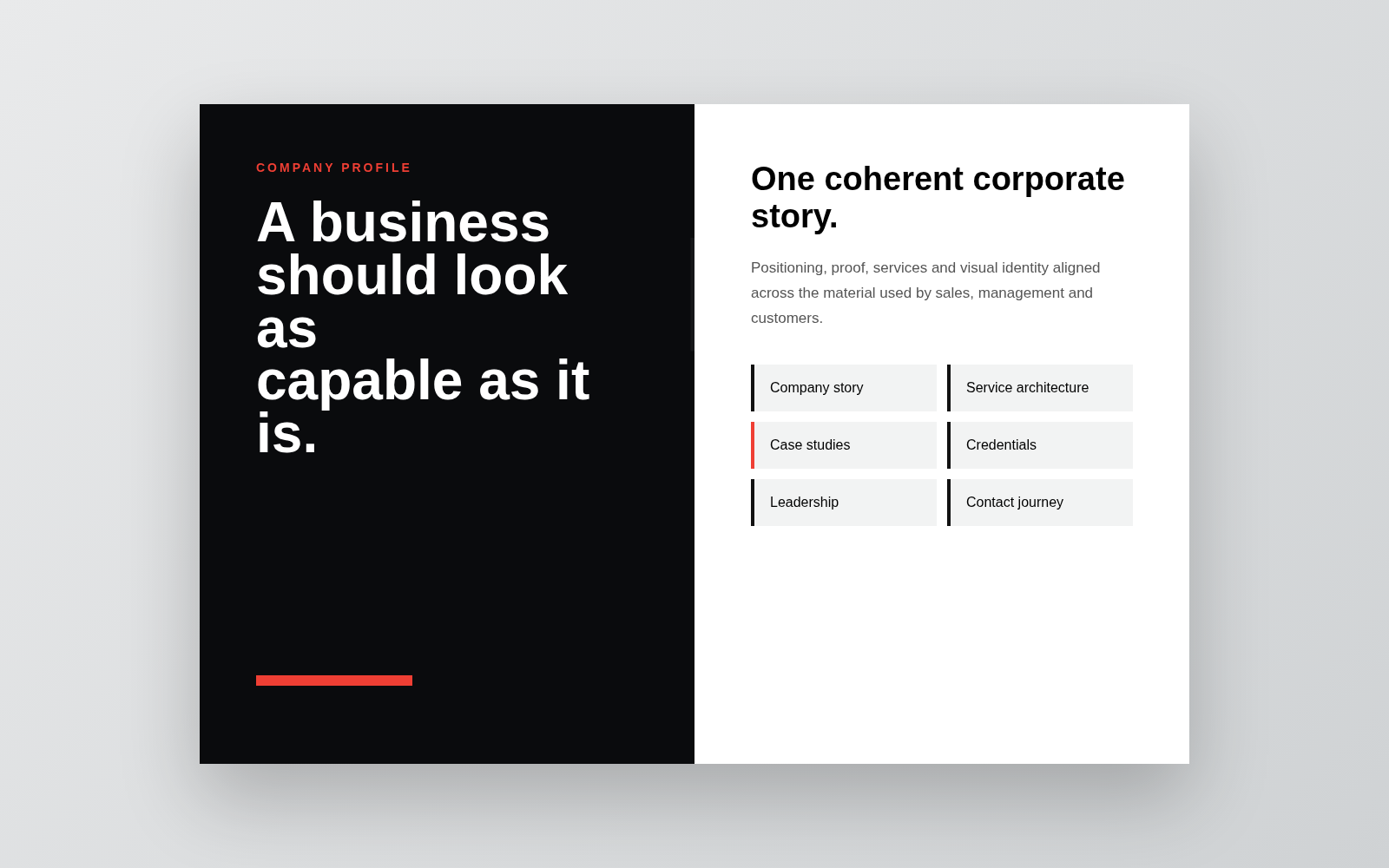
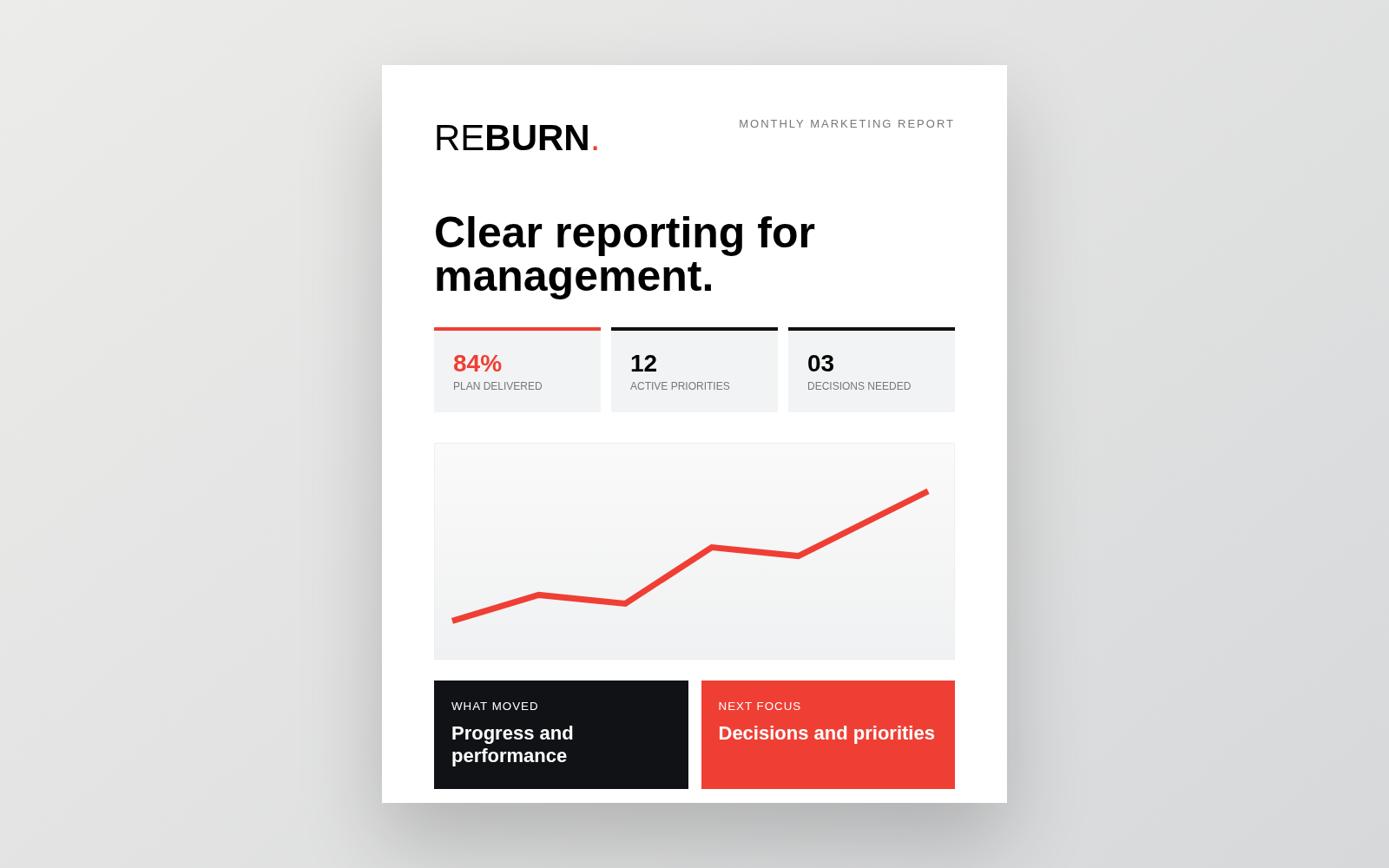
The core identity normally includes the logo system, colour palette, typography, imagery, iconography and layout principles. But those decisions only become valuable when they work in the places the business actually operates.
A logo must survive a website header, email signature, expo wall, safety vest and monochrome document. Colours need accessible digital combinations. Fonts need to be available to the employees producing normal business documents. Presentation and proposal masters should be editable without losing the identity.
For project-based businesses, case studies and portfolios should become part of the brand system because evidence is often more persuasive than a long list of claims. Photography should also feel intentional. Where possible, a first-party image library of people, facilities, projects, products and events creates far more credibility than generic stock imagery.

From the identity itself to the material used every day by management and sales.
The buyer does not experience the brand guide. They experience the website, proposal, report, event stand, email and follow-up.
The company profile is often one of the first substantial brand applications a B2B prospect receives. It should combine identity, messaging, service structure, proof and professional presentation rather than behaving like a decorative brochure.
For project-based businesses, a portfolio or case-study library can communicate experience more effectively than a long list of claims. Maintain the source content separately from the final design so leadership, services, credentials and statistics can be updated without rebuilding the document from scratch.
Generic imagery can make a specialised business look generic. Where practical, build a first-party library of people, facilities, products, projects, customer environments and events. Define image standards so new photography still feels part of one system when different photographers are used.
The same identity extends into offices, vehicles, uniforms, stands and signage. Multi-site businesses benefit from clear specifications that suppliers can reproduce without interpreting the brand differently at every location.
A consistent logo paired with inconsistent service descriptions still creates a fragmented brand. Define the value proposition, proof, service naming, tone and language used for important audiences. Technical B2B messaging should translate expertise without oversimplifying it.
Digital rules should cover responsive logo behaviour, accessible colours, type hierarchy, image crops, social formats and how elements adapt in video. These requirements belong inside the brand system from the beginning rather than being added after the identity is approved.
Prioritise the assets buyers and employees use most: website, company profile, pitch deck, proposal template, email signatures and core corporate documents. Then extend the system without creating a fragmented transition.
The long-term value comes from making the approved system easy to use and difficult to fragment.
A useful guide explains how to use the brand, not only how not to use it. It should cover logos and spacing, colours, typography, imagery, tone, common document examples, presentation guidance and the templates employees actually need.
Maintain master logos, templates, photography, icons and current documents in one accessible location. Assign a brand owner and retire outdated versions so old material does not continue circulating indefinitely.
Prioritise the touchpoints used most: website, profile, pitch deck, proposal templates, email signatures and customer-facing documents. Then phase signage, printed stock and lower-use assets without wasting material unnecessarily.
Not necessarily. If the core identity still has recognition and strategic value, a disciplined refresh, stronger applications and a better template system may solve the problem with less disruption.
Prioritise the touchpoints buyers and sales use most: website, company profile, pitch deck, proposal system, proof and email signatures.
The marketing function should normally own brand standards and approved assets while departments apply the system within their work.
There is no fixed cycle. Review it when the business changes materially, when the identity no longer reflects the company’s maturity, or when inconsistency is creating operational friction.
Design fatigue is not a sufficient reason to discard recognition the business has spent years building.
A refresh is appropriate when the core identity still represents the company but its application feels dated, inconsistent or difficult to use. That may mean refining typography, colour use, layouts, imagery and templates while preserving the recognised logo or visual cues.
A deeper rebrand becomes appropriate when the company has changed materially: a new name, a new market position, a different audience, a merger, a new brand architecture or a business model the current identity can no longer explain. The decision should follow the business change rather than lead it.
Whichever route is chosen, plan the rollout before launch. Website, profiles, proposals, signatures, signage, social profiles, templates and third-party listings should move in a controlled sequence so the market does not experience two brands at the same time.
Reburn can refresh an existing identity, build the missing templates or create a complete brand system from strategy through rollout.
If Branding and Creative Design . is a priority for your business, we can help you turn it into a practical, managed part of the wider marketing system.